Fodder nutrition considerations leading into spring
28 September 2026
Author: Lee Menhenett, Senior Technical Agronomist, Incitec Pivot
Spring is the season where temperatures rise; days become longer, soil microbes wake after a winter slumber, and grass begins to grow. The big caveat in this equation is moisture.
In southern Australia, 2026 has been a terrific season which started with an early break and continued with constant rain fronts through the winter accompanied by warm temperatures. Growth rates have been solid and moving into the peak spring growth period with a full profile of soil moisture; conditions are set up for a bumper season.
Planning and proactivity for the rest of this season will be key to maximise quantity and importantly maintain quality. Milk, meat and wool are all produced from energy, so ensuring pastures are grazed or conserved at the right quality stage is imperative.
If ‘quality is king’, what are the key management considerations to achieve this goal?
It starts in winter
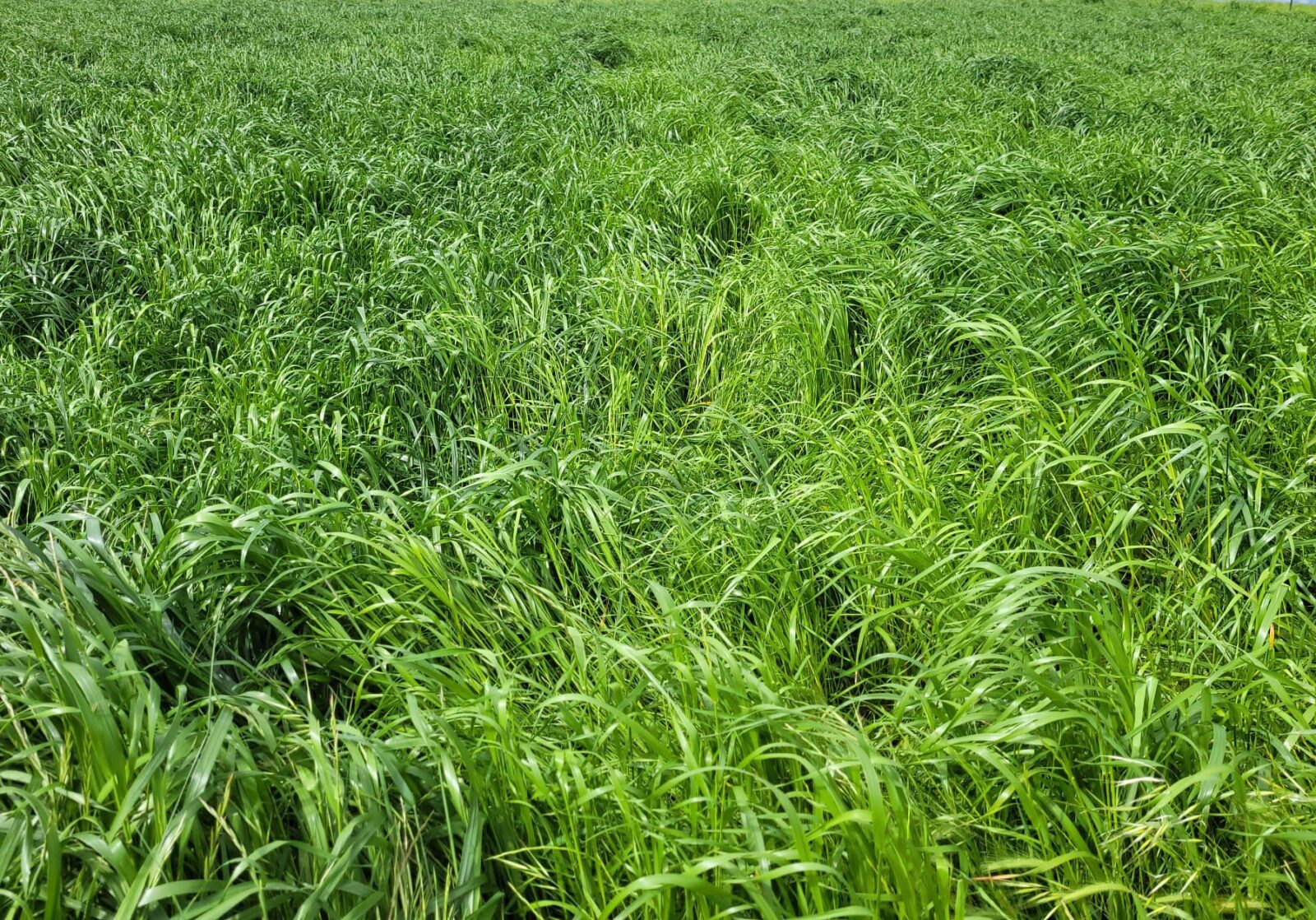
The quality and quantity of spring pasture starts in winter. Ensure ryegrass pastures have adequate post-grazing residuals, have not been overgrazed and allowed to express three leaves (canopy closure) prior to grazing, and are supported by adequate nutrition.
Grass regrowth rates, density, and total dry matter production will be favored by correct grazing management. Where pastures have been overgrazed or heavily set stocked over winter, spring growth will be compromised and so will nitrogen (N) responses.
While N will generally be the key driver of dry matter production, there needs to be some thought around phosphorus (P), potassium (K), and sulfur (S).
Assess base soil nutrients
Review your soil test data (or arrange a soil test now), and recent base fertiliser applications – was Super, Super Potash or DAP applied in autumn this year or even last year, and what rate was applied?
While we generally see high to very high P and K levels on the milking area of dairy farms, the out paddocks don’t typically get the same nutrient loading. In these instances, the opportunity to use a Boosta® (N, P, K, S) product might be the best option.
Nothing comes for free and supplementing nutrients that will be removed in fodder conservation is a necessity. An easy to remember rule of thumb for 1t/ha Dry Matter (DM) removal for hay and silage is 25, 2, 25, 2, meaning N – 25kg/tDM/ha, P – 2kg/tDM/ha, K – 25kg/tDM/ha and S – 2kg/tDM/ha.
Rates of Boosta products will be first determined by N. Set the rate of N to be applied (typically 25-60kgN/ha), then determine what other nutrients are required from a soil test and what will be removed in silage and/or hay. If there are multiple cuts in the spring, then multiple applications of fertiliser following each cut would be of greater benefit than one big application at the start.
Know your pasture species
Not all pasture species or cultivars within species behave the same. Understanding the seasonal growth habit and relative heading date will help decide when and how much N to apply, and how long the pasture will grow into spring/early summer which will determine whether numerous quality cuts are possible.
As an example, Tetila annual ryegrasss has good winter and early spring production, however, it won’t produce much dry matter past mid-spring, so good winter grazing and maybe an early silage cut. Victorian Perennial Ryegrass produces excellent early spring dry matter, however, it quickly heads in mid-spring and therefore the quality decreases, so again it’s maybe an option for early silage.
Nitrogen needs soil moisture
The biggest consideration around N use is moisture. In the dry season of 2015, those who applied N late winter and into early spring were rewarded with good responses, while soil moisture levels remained adequate. As soil moisture levels decreased, pasture growth and N responses decreased. While current soil moisture levels are good, there is an El Nino with us and there are predictions of associated drier months ahead. Decisions on N application timing should be made early to take advantage of available moisture and ensure a minimum of four weeks’ growth before cutting.
Rates of N should be applied at a minimum of 25kgN/ha (55 kg/ha urea) to a maximum of 60kgN/ha (130kg/ha urea). Pasture growth rates in spring will be >100kgDM/ha/day and N applications should increase these growth rates by 15-25kgDM/kgN. For example, if 30kgN/ha was applied and the N response was 20kgDM/kg/N, then an additional 600kgDM/ha should be produced over normal growth rates. If 60kgN/ha was applied, then 1200kgDM/ha is possible.
Understanding the seasonal growth habits of pasture species and cultivars will improve decisions on N rates and timings. If N (protein) status of pastures is high, then ensure adequate wilting for cut pasture to achieve good fermentation for quality silage. N is a dynamic nutrient and doesn’t produce responses past the rotation or fodder cut interval, so re-application should occur following fodder removal.
Urea is prone to volatilisation losses, and in pasture systems these losses can be as high as 30%. Little vegetative cover, warm windy conditions, light rain and dews all conspire to cause losses. A rain event of 10mm within two days after urea application is required on most soil types to move the urea safely into the soil. Urea (and the Boosta products) can be treated to protect up to 70% of losses in a volatilisation event. Green Urea NV (Green Boosta) are the products that essentially help prevent gaseous losses from urea.
Remember quality over quantity
Quality will always win the war over quantity; however, as the season progresses, compromises will have to be made. Proactive pasture management rather than reactive is the biggest step in maintaining quality. Make decisions early in dropping paddocks out of the rotation as pasture excesses can spiral out of control very quickly, particularly if your contractor has a break down or a rain event moves through causing trafficability issues.
Longer lock up times will lead to less regrowth for subsequent cuts. Later season cuts require shorter closure periods to maintain quality.
Conserving pasture surpluses in spring provides valuable feed reserves for less plentiful periods of the year. The same cost applies whether the conserved feed is high quality or poor. The difference comes in the returns of the fodder when fed out. Be organised, be proactive, be informed and be prepared to apply required nutrients.
Get pasture back into the rotation quickly after a hay cut
Hay removes a lot of nutrients from the paddock, and those nutrients need to be replaced. Incitec Pivot’s Boosta range is an excellent way to do it. Act when the window opens. Get in early and get growth ahead of the curve.
Further information
For more information contact Lee Menhenett at
Disclaimer
This is a guide only, which we hope you find useful as a general tool. While Incitec Pivot Pty Ltd has taken all reasonable care in the preparation of this guide, it should not be relied on as a substitute for tailored professional advice and Incitec Pivot Pty Ltd accepts no liability in connection with this guide.